Date Feb 13/2022
Lone star community for more information please call # 0778613839
KafumbaKamara.com
Date Feb 13/2022
Lone star community for more information please call # 0778613839
N´GWEGWET HANABO WENANG
When the Adbassa Empire collapsed in the 6th century b.d. Um, migratory movements went in all directions. Nanga´s group was carried by the Put movement whose leaders were a man called BASSAMA BA PUT and his chief military officer, NGE SIMBA.
Other groups went in other directions. The Bassa´r established themselves in modern-day Togo, the Bassa-ri (Land of the Bassa) in Senegal, Sierra-Leone, and the Bassa la Mpasu (Bassa of the River) in the Congo. The most interesting group is the Bassa of Liberia who were led to the area by HANABO WENANG. They developed a strong culture with a system of writing.
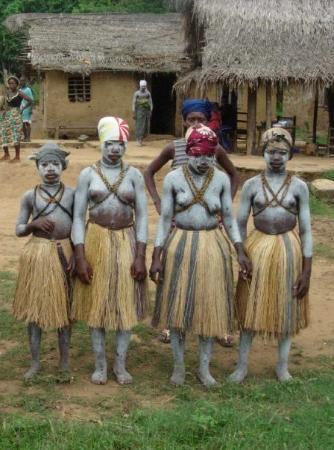
“As to the name Bassa,” writes Joseph Gbadyu, a Liberian Bassa scholar in his book, The Bassaman and the Expansion of Liberian State, 1847-1912, “the most colorful and often repeated oral account is that bordering on the legendary, Bassa is the Latinized form of the words BAAH (Father) SOOH (Stone). Baah Sooh (Father Stone) is said to have been a renowned chief and businessman among his people. His servants were identified as Baah Sooh Nyombe (Father Stone´s People). The Europeans, to please the African people with whom they were in business, struggled to pronounce the phrase Baah Sooh Nyombe until it eventually became Bassa, in place of the original Gboboh, by which they officially call themselves? This is what Jo Gbadyu states but why does Gboboh sound like MBOMBOG (initiate of the Mbog, elder, patriarch), which is a word from Kamerun Bassa people?
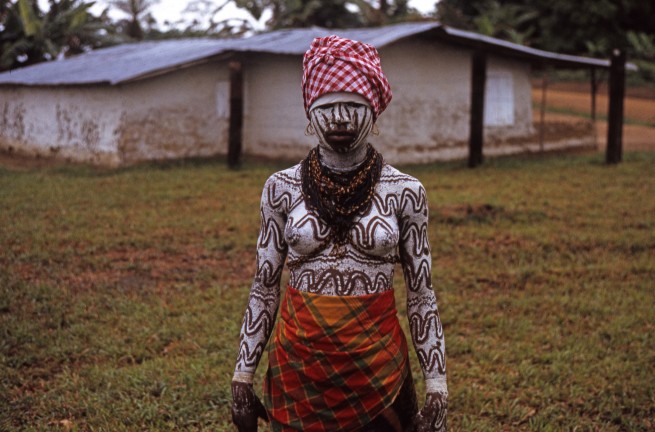
Also a synthesis of oral accounts by writers like Abayomi Karnga in his “History of Liberia”, Basil Davidson in his “Old Africa Rediscovered”, and Dr. A. Doris Banks Henries in her “The Liberian Nation” coupled with some very interesting oral accounts, would place the Liberian Bassa as a people originating somewhere in the central part of Africa, probably the Sudan,
in an area once known as Kumbi (Old Ghana) which was entirely ruled by dark-skinned men fifteen century b.d. Um. Widely known and admired for its culture and civilization and its flourishing commerce, Kumbi reached its zenith during the reign of Tenkamenin. The religion predominant in the kingdom was ANIMISM.
In the vanguard of the Kru sub-sub-family of Kwa were the bassa. They were led by HANABO WENANG, a legendary leader from whose waist was suspended a hook which dangled behind him on the ground. As they moved westward until they reached the coast of the “Grain Coast” in modern Grand Bassa, the hook stuck on the ground. This indicated the place where to begin as a center. According to legend, from there the segment of the group later called MAAH BAHN in honor of their leader, the most advanced of the group moved further westward and crossed Dyabain to establish settlements and close ranks with the Mande sub-family of Gola-Kpelle-Mandingo-Vai. This began the expansive process of the Bassa which reached its plateau only two centuries ago. At each point where the hook stuck, the Bassa offered sacrifices of thanksgiving to the supernatural for protection and blessings.
This is what ethnologists call “rites of appropriation”. Bassa people did the same thing in Kamerun and our counterparts, the Bako, who call themselves Jwi Ejwi, offered them “Hond i Bako” (the ax of power), acknowledging them as masters of the land.
BAMBOG-MBOG MBEM SOYE AND KUKAME DI KUKAME OF ADBASSA Where did the builders of ADBASSA come from?
They came from Khemit (ancient Egypt) and called themselves, again, ADBASSA. The ability of Bassa people to absorb other people has always assured their influence in the political order wherever they have settled. 2,716 years b.d.Um, a man called Shabako forced recognition of himself as pharaoh throughout Khemit. He reigned 14 years and his successors, Shebiko (who reigned 12 years) and Taharko (who reigned 26 years) were named by later historians as the Egyptian Dynasty XXV. After the collapse of this dynasty, it was MBEM SOYE (42nd ancestor) and KUKAME DI KUKAME (52nd ancestor) who directed their people to the Lake Chad and later to the Adamawa Heights where they built three successive empires: Rifum, Kororafa, and Adbassa.
PHARAOHS SHABAKO, SHEBIKO, AND TAHARKO OF KHEMIT Shabako, Shebiko and Taharko came from the south of Khemit, a land known as PUT, in the kingdom of KUSH, and referred to themselves as ADBASSA. At approximately 3,008 b.d. Um, a power was to determine the history of the Nile valley from the First Cataract to beyond Khartum for no less than a thousand years. This power, called the kingdom of Napata and Meroe, is also known as the kingdom of Kush.
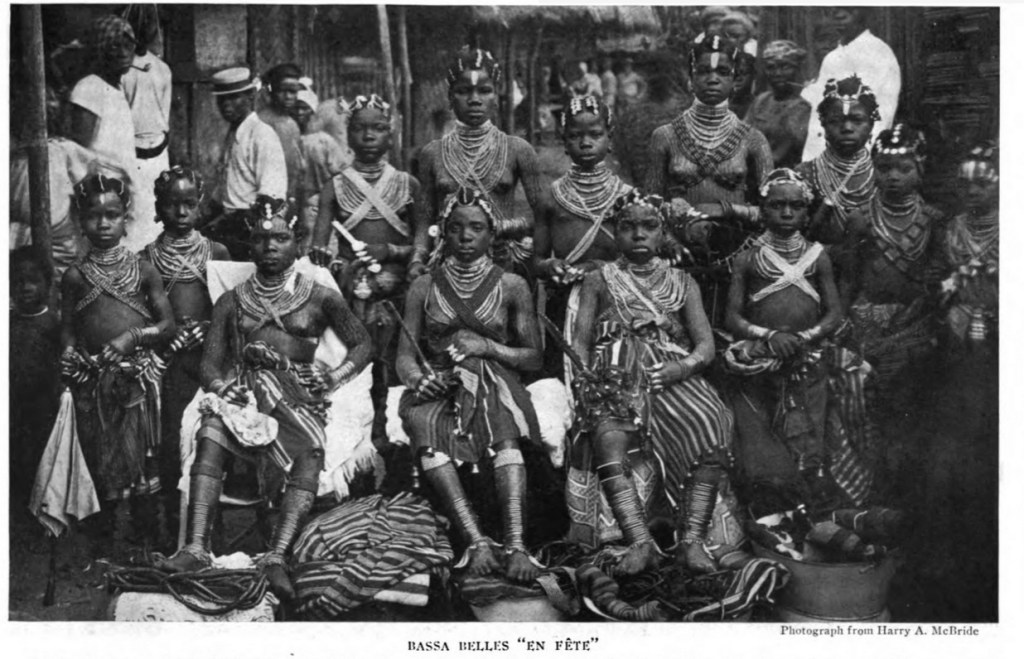

The history of Kush is divided in two periods: 1) the Napatan Period lastin until 2178 b.d. Um, 2) the Meroitic Period existing until the fall of the kingdom toward the year 1588 b.d.Um.
This division is based only upon changes in the socioeconomic and political structure of the kingdom, for which we have as yet the following evidence: 1) the transfer of the royal cemetery from Napata to Meroe, 2) the replacement of Egyptian as the only written language by Meroitic, the language of the people who had achieved political dominance in the beginning, and 3) the gradual advance of indigenous cultural traditions and modes of perception which in the past had found practically no expression in official religion and art.
Napata and Meroe are not only periods in Kush history; they were two centers. Napata was built at the foot of Gebel Barkal, known to Egyptians as the “Holy Mountain”. The cemetery of the Napatan kings (El Kurri and Nuri, ca. 2858-2658 b.d. Um) were located nearby.
From the beginning of the year 2458 b.d.Um, Meroe had been the permanent royal residence of the Kushite kings, who went to Napata only on their coronation journeys and for their burials.
Following the transfer of the royal cemetery from Napata to Meroe, Meroe turned its political interests more to the southern part of the kingdom, particularly to the region of the “Island of Meroe”, known today as the Butana, in a country named Put, land of the ADBASSA people. The reason for this sudden transfert is simple: The ADBASSA (word which has been
corrupted into Abassania, then Abyssinia) controlled the whole kingdom and they will soon control Khemit with Shabako, Shebiko, and Taharko.
QUEEN MAKEDA OF SABA
A tradition, which combines biblical and Hellenistic renditions, says that Kush, son of Ham and founder of Axum, named his son Ethiops and the surrounding country Aethiopia, or was it that Homer or Herodotus invented the word for the country of the “burnt faces”? Axum, the original Ethiopian kingdom, received a strong contribution of peoples and cultures from the
Kush´s Meroitic state. With its center in present-day Tigrae, it was established on the route of the great caravan trade of which Meroe had long been the focal point.
A legend retained as historical fact and accepted unquestioningly by the average Christian Ethiopian is that the imperial dynasty of the country originated with Menelik I, son of Makeda, the queen of Shaba and King Salomon. The dynasty is now, as in the past, referred to as Solomonic, and is presumed to have exercised sovereign power with minor interruptions since its inception. Northwestern Ethiopia, the land of the ADBASSA (or Habashat or Harbassa and the source of the name Abyssinia) was part of the world of “Put and frankincense” in that venerable time when the ships of Hiram, King of Tyre, plied up and down the Red Sea, and brought the wealth of Ophir into Israel.
The line of Solomon was continued, according to the legend, beginning thirty centuries b.d. Um by his son Menelik I, who stole the Ark of the Covenant while visiting his father and, accompanied by Judean noble youths and companions, transported it back to his African homeland.
Another Ethiopian legend maintains that in the classic chronicle of the kings, Kebra Nagast (Glory of the Kings) contends that Menelik I and his successors are desdendants of the holy men, since Solomon was one of a series through whose bodies had passed a “pearl” first placed by God in Adam and intended finally, having entered the body of Hannah, to be the essence of her daughter, the Virgin Mary. Christ being the son of God and Menelik a kinsman of Christ, it follows that the kings of Ethiopia and all descendants of Menelik, are of divine line.
KING EZANA OF AXUM
Axum was the creation of the ADBASSA, a number of Semitic immigrants, and other Kushitic peoples who pushed the natives farther in-land. The mixed population of ADBASSA and Semites slowly built a novel and distinctive civilization, founded the Axumite kingdom, and provided the forebears of the present-day Bassa people of another historical landmark.
Axum´s power, which emerged nineteen centuries b.d. Um, was based largely on the relatively superior cultural contributions of the ADBASSA.
Ezana, the greatest Ethiopian king of the Axumite period, who reigned sixteen centuries b.d. Um, was converted to Christianity, which became the official religion of the country and the accepted religion of most of the people. The country came into contact with the Byzantine Empire and undertook a special mission to protect and extend Christianity in East Africa.
So when Alfred Saker (who is said to have introduced the Bible into Kamerun) appeared a century b.d. Um, we already knew about it from the time of Ezana. Actually, Saker was 16 centuries late. The Christianity of Ezana could be tolerated by the Mbog because it could be considered by its practitioners as the cult of one of our ancestors. The Mbog recognizes no other authority, but the Mbog.
Until the rise of Islam thirteen centuries b.d. Um, Axum played a significant role in northeastern Africa, but was slowly transformed into an Ethiopian state as its people began to move southward and make their presence felt among among Kushitic people, forebears of the present-day Bassa people, the Hausa, Yorubas, and Bamanas.
MBOG-MBOG BAAH SOOH OF CABORA-BASSA
In modern-day Mozambique, Cabora-Bassa (or Cohorro Bassa Gorge) next to the Gorongosa Mountains is the point of origin of the Bassa nation. Literally, Cabora Bassa means “Land of Hard Working People.” According to legend, it´s a man called Baah, son of Sooh, who initiated the movement upward toward Kush which, at that time, was a prosperous center, the same way Washington, D.C., and the whole of north America is today. He invited kin and friends who invited kin and friends. Six thousand years before Um Nyobe, they were simply looking for a better life for themselves and their families. What happened before that is no longer a matter of recorded history.

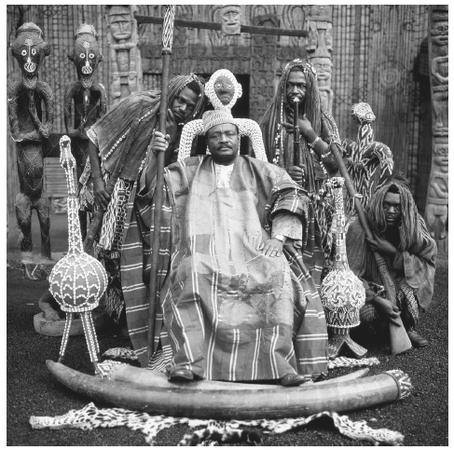
By sheikh Kafumba Kamara
To commemorate this year’s Maulid un-Nabiyy (the prophet’s birthday), this week’s piece showcases the work of Michael H. Hart which identifies Prophet Muhammad (SAW) as the first among a list of 100 personalities he ranked as the most influential persons in human history.
Born in 1932, Michael H. Hart authored The 100: A Ranking of the Most Influential Persons in History in 1992. The book, which has sold more than 500,000 copies, has also been translated into 15 languages. An American by birth, Hart received his BA from Cornell University in 1952, an M. Sc from Adelphi University in 1969, and a PhD in astronomy from Princeton University in 1972. He was a professor at the University of Maryland, Anne Arundel Community College, and Trinity University. In one of his several articles, Hart argued that the works attributed to William Shakespeare were in fact written by Edward de Vere, the 17th Earl of Oxford.
Hart writes that his choice of Muhammad (SAW) to lead the list of the world’s most influential persons in history may surprise some readers and may be questioned by others. He maintains that he chose Muhammad (SAW) over Prophets Isa or Jesus (AS) and Musa or Moses (A.S) because Muhammad (SAW) was “supremely successful in both religious and secular realms”. Hart also recognizes Muhammad (SAW) for his role in the development of Islam, which he asserts, is far more influential than Jesus (A.S)’s in the development of Christianity.
Michael Hart further observes that Muhammad founded and promulgated one of the world’s great religions, and became an immensely effective political leader; adding that, “thirteen centuries after his death, his influence is still powerful and pervasive”. Hart continues, “The majority of persons in The 100: A Ranking of the Most Influential Persons in History had the advantage of being born and raised in centers of civilization, highly cultured or politically pivotal nations. Muhammad, however, was born in 570AD in the city of Mecca, which at that time was a backward area of the world; far from centers of trade, art and learning”.
In his assessment of the overall impact of Muhammad on human history, Hart states that Islam, like other religions, exerts an enormous influence upon the lives of its followers which according to him explains why founders of the world’s great religions all figure prominently in his book. Michael Hart opines that since there are roughly twice as many Christians as Moslems in the world, it may initially seem strange that Muhammad (SAW) has been ranked higher than Jesus; advancing two principal reasons for his judgment.
First, he clarifies, “Muhammad played a far more important role in the development of Islam than Jesus did in the development of Christianity. Although Jesus was responsible for the main ethical and moral precepts of Christianity (in so far as these differed from Judaism), St. Paul was the main developer of Christian theology, its principal proselytizer, and the author of a large portion of the New Testament. Muhammad, however, was responsible for both the theology of Islam and its main ethical and moral principles. In addition, he played the key role in proselytizing the new faith and in establishing the religious practices of Islam….Since the Koran is at least as important to Moslems as the Bible is to Christians, the influence of Muhammad through the medium of the Koran has been enormous. It is probable that the relative influence of Muhammad on Islam has been larger than the combined influence of Jesus Christ and St. Paul on Christianity”. Hart affirms that unlike the Qur’an that has divinely remained preserved from being corrupted, “no such detailed compilation of the teachings of Christ has survived”.
His second reason is captured in his declaration that “Muhammad (unlike Jesus) was a secular as well as a religious leader. In fact, as the driving force behind the Arab conquests, he may well rank as the most influential political leader of all times. Of many important historical events, one might say that they were inevitable and would have occurred even without the particular political leader who guided them. For example, the South American colonies would probably have won their independence from Spain even if Simon Bolivar had never lived. But this cannot be said of the Arab conquests. Nothing similar had occurred before Muhammad, and there is no reason to believe that the conquests would have been achieved without him. The only comparable conquests in human history are those of the Mongols in the thirteenth century, which were primarily due to the influence of Genghis Khan. These conquests, however, though more extensive than those of the Arabs, did not prove permanent, and today the only areas occupied by the Mongols are those that they held prior to the time of Genghis Khan. It is far different with the conquests of the Arabs. From Iraq to Morocco, there extends a whole chain of Moslem nations united not merely by their faith in Islam, but also by their Arabic language, history, and culture”.
Besides appreciating the centrality of the Qur’an in the religious life of Muslims, Hart similarly underscores how Arabic language has continued to unite the Arabs in spite of the differences that exist among Arab states. He contends, for instance, that “neither Iran nor Indonesia, both oil-producing states and both Islamic in religion joined in the oil embargo of the winter of 1973-74. It is no coincidence that all of the Arab states, and only the Arab states, participated in the embargo. We see, then, that the Arab conquests of the seventh century have continued to play an important role in human history, down to the present day. It is this unparalleled combination of secular and religious influence which I feel entitles Muhammad to be considered the most influential single figure in human history”. May Allah (SWT) guide us to practice Islam in the manner taught by Muhammad (SAW), amin.

To commemorate this year’s Maulid un-Nabiyy (the prophet’s birthday), this week’s piece showcases the work of Michael H. Hart which identifies Prophet Muhammad (SAW) as the first among a list of 100 personalities he ranked as the most influential persons in human history.
Born in 1932, Michael H. Hart authored The 100: A Ranking of the Most Influential Persons in History in 1992. The book, which has sold more than 500,000 copies, has also been translated into 15 languages. An American by birth, Hart received his BA from Cornell University in 1952, an M. Sc from Adelphi University in 1969, and a PhD in astronomy from Princeton University in 1972. He was a professor at the University of Maryland, Anne Arundel Community College, and Trinity University. In one of his several articles, Hart argued that the works attributed to William Shakespeare were in fact written by Edward de Vere, the 17th Earl of Oxford.
Hart writes that his choice of Muhammad (SAW) to lead the list of the world’s most influential persons in history may surprise some readers and may be questioned by others. He maintains that he chose Muhammad (SAW) over Prophets Isa or Jesus (AS) and Musa or Moses (A.S) because Muhammad (SAW) was “supremely successful in both religious and secular realms”. Hart also recognizes Muhammad (SAW) for his role in the development of Islam, which he asserts, is far more influential than Jesus (A.S)’s in the development of Christianity.
Michael Hart further observes that Muhammad founded and promulgated one of the world’s great religions, and became an immensely effective political leader; adding that, “thirteen centuries after his death, his influence is still powerful and pervasive”. Hart continues, “The majority of persons in The 100: A Ranking of the Most Influential Persons in History had the advantage of being born and raised in centers of civilization, highly cultured or politically pivotal nations. Muhammad, however, was born in 570AD in the city of Mecca, which at that time was a backward area of the world; far from centers of trade, art and learning”.
In his assessment of the overall impact of Muhammad on human history, Hart states that Islam, like other religions, exerts an enormous influence upon the lives of its followers which according to him explains why founders of the world’s great religions all figure prominently in his book. Michael Hart opines that since there are roughly twice as many Christians as Moslems in the world, it may initially seem strange that Muhammad (SAW) has been ranked higher than Jesus; advancing two principal reasons for his judgment.
First, he clarifies, “Muhammad played a far more important role in the development of Islam than Jesus did in the development of Christianity. Although Jesus was responsible for the main ethical and moral precepts of Christianity (in so far as these differed from Judaism), St. Paul was the main developer of Christian theology, its principal proselytizer, and the author of a large portion of the New Testament. Muhammad, however, was responsible for both the theology of Islam and its main ethical and moral principles. In addition, he played the key role in proselytizing the new faith and in establishing the religious practices of Islam….Since the Koran is at least as important to Moslems as the Bible is to Christians, the influence of Muhammad through the medium of the Koran has been enormous. It is probable that the relative influence of Muhammad on Islam has been larger than the combined influence of Jesus Christ and St. Paul on Christianity”. Hart affirms that unlike the Qur’an that has divinely remained preserved from being corrupted, “no such detailed compilation of the teachings of Christ has survived”.
His second reason is captured in his declaration that “Muhammad (unlike Jesus) was a secular as well as a religious leader. In fact, as the driving force behind the Arab conquests, he may well rank as the most influential political leader of all times. Of many important historical events, one might say that they were inevitable and would have occurred even without the particular political leader who guided them. For example, the South American colonies would probably have won their independence from Spain even if Simon Bolivar had never lived. But this cannot be said of the Arab conquests. Nothing similar had occurred before Muhammad, and there is no reason to believe that the conquests would have been achieved without him. The only comparable conquests in human history are those of the Mongols in the thirteenth century, which were primarily due to the influence of Genghis Khan. These conquests, however, though more extensive than those of the Arabs, did not prove permanent, and today the only areas occupied by the Mongols are those that they held prior to the time of Genghis Khan. It is far different with the conquests of the Arabs. From Iraq to Morocco, there extends a whole chain of Moslem nations united not merely by their faith in Islam, but also by their Arabic language, history, and culture”.
Besides appreciating the centrality of the Qur’an in the religious life of Muslims, Hart similarly underscores how Arabic language has continued to unite the Arabs in spite of the differences that exist among Arab states. He contends, for instance, that “neither Iran nor Indonesia, both oil-producing states and both Islamic in religion joined in the oil embargo of the winter of 1973-74. It is no coincidence that all of the Arab states, and only the Arab states, participated in the embargo. We see, then, that the Arab conquests of the seventh century have continued to play an important role in human history, down to the present day. It is this unparalleled combination of secular and religious influence which I feel entitles Muhammad to be considered the most influential single figure in human history”. May Allah (SWT) guide us to practice Islam in the manner taught by Muhammad (SAW), amin.
Regular exercise and physical activity may


That man is a success – who has lived well, laughed often and loved much, who has gained the respect of intelligent men and the love of children, who has filled his niche and accomplished his task. Who leaves the world better than he found it, who has never lacked appreciation of earth’s beauty or failed to express it, who looked for the best in others and gave the best he had. This is the price you pay for having a great uncle. You get the wonder, the joy, the tender moments – and you get the tears at the end, too. Death is something inevitable. When a man has done what he considers to be his duty to his people and his country, he can rest in peace. I believe he made that effort, and that is, therefore, why he will sleep for eternity. I don’t remember when was the last time I cried this much. You have left some wonderful memories that will never fade from my heart. Rest in peace! I don’t know how to console my grieving heart at your departure. I know mourning is not the best way to say goodbye to you, but I don’t know how to control myself! You will be missed forever and always. The beautiful moments you shared with us will always speak of a great person that you were. Rest in peace up in heaven! He died that day because his body had served its purpose. His soul had done what it came to do, learned what it came to learn, and then was free to leave. Our death is not an end if we can live on in our children and the younger generation. For they are us, our bodies are only wilted leaves on the tree of life. I know for certain that we never lose the people we love, even to death. They continue to participate in every act, thought and decision we make. Their love leaves an indelible imprint in our memories. We find comfort in knowing that our lives have been enriched by having shared their love. May Allah grant him Al jannah

You will be remember for ever uncle.

RIP RIP 😭😭

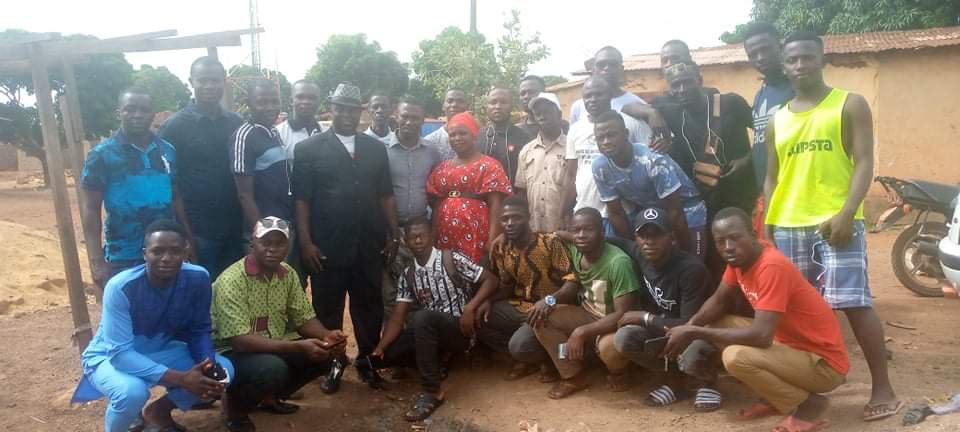
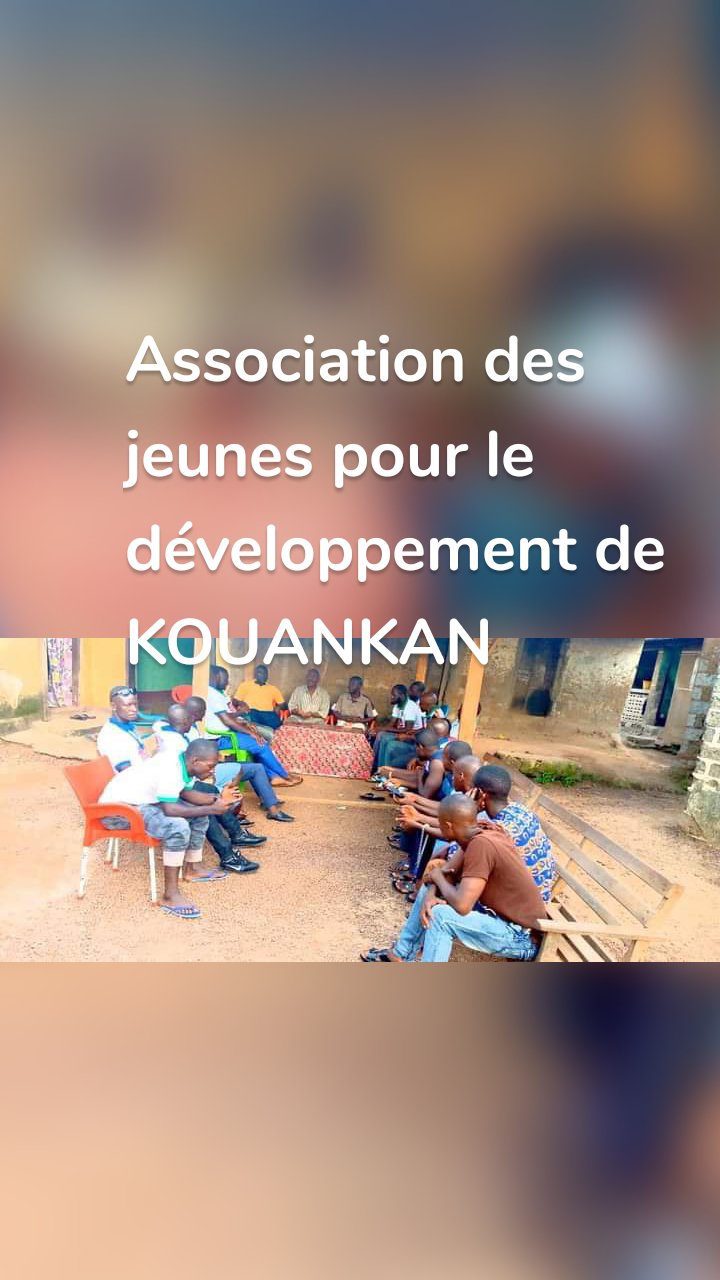
C'est dynamique et énergique de moi aux jeunes de Kouankan. Nos leaders dynamiques se sont rendus à Kankan pour une formation en leadership. Mamady Camara (Maire) et Famor Camara (Président des Jeunes) y ont rencontré quelques-uns de nos frères et sœurs et ils ont été unanimement accueillis. ceux que nos dirigeants ont rencontrés sont aussi nos étudiants universitaires qui étudient à Kankan. Les étudiants y ont aussi leur organisation.


ENGLISH VERSION

It's dynamic and energetic from me to the  youths in Kouankan. Our dynamic leaders made their way to Kankan for leadership training. Mamady Camara (Mayor) and Famor Camara (youths chairman) met some our brothers and sisters there and they were welcome unanimously. those who our leaders met are also our university students studying in Kankan. The students has their organization there too.
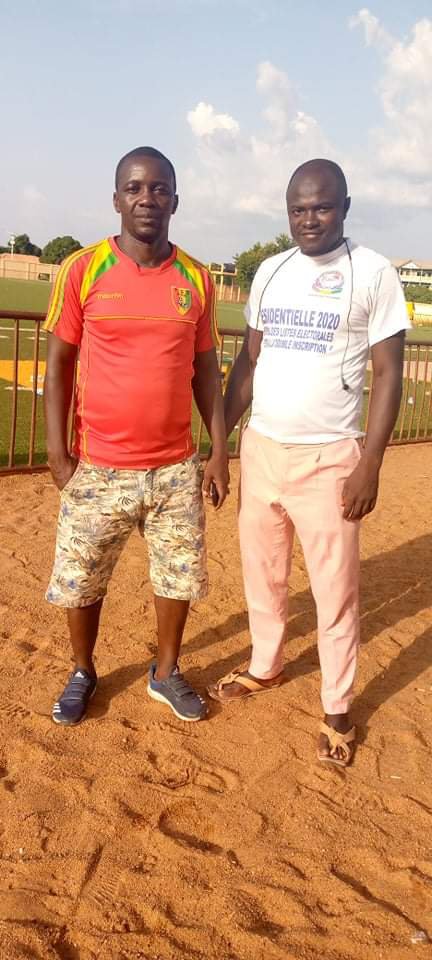
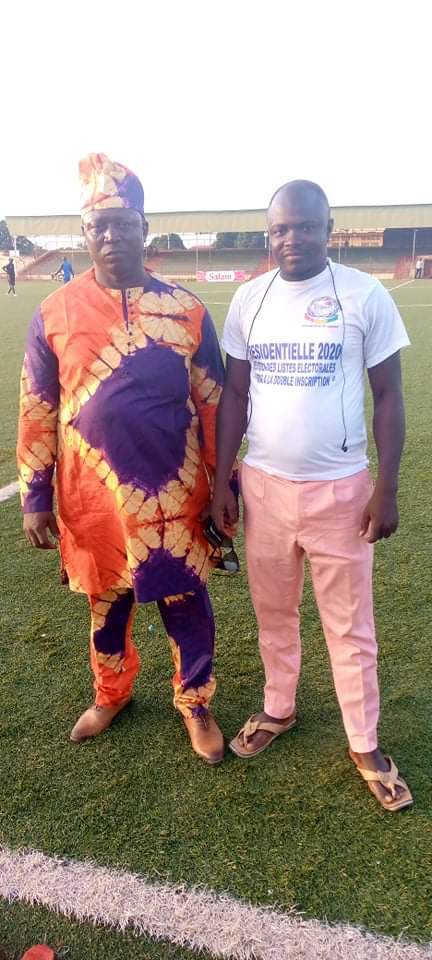
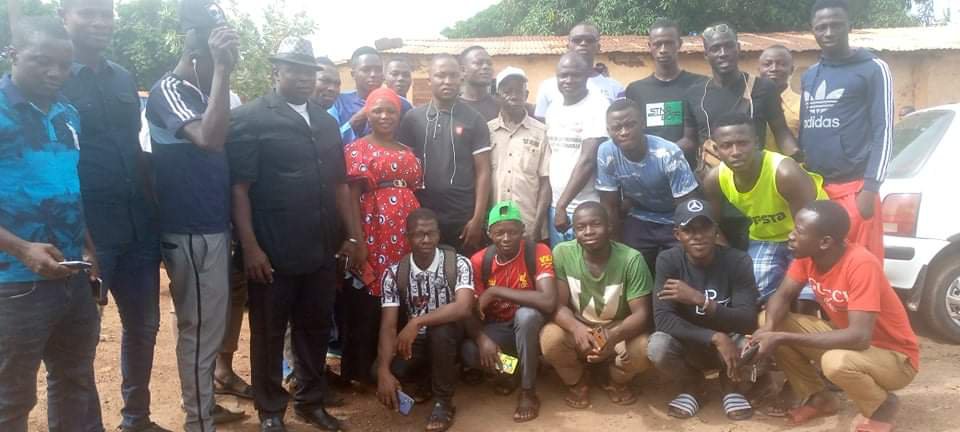
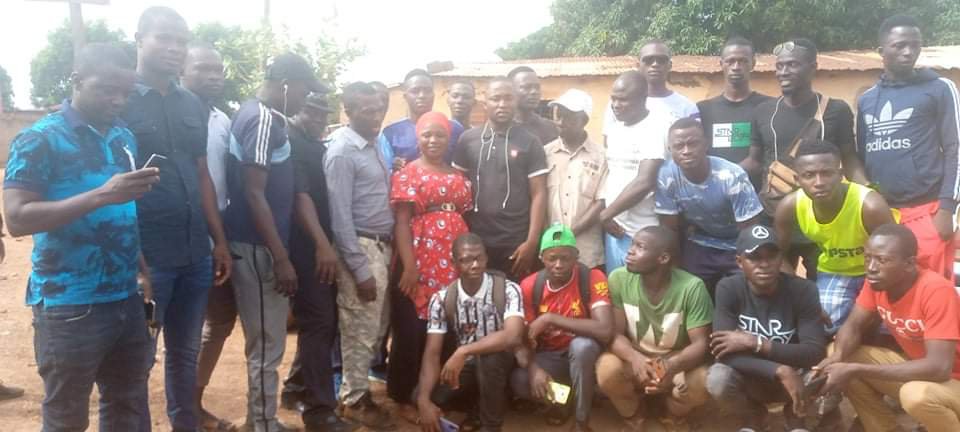





Let come together as one body one family.
KOUANKAN TOWN
OUR RESPONSIBILITIES AS A YOUNG PEOPLE COMING UP WITH POSITIVE MIND.
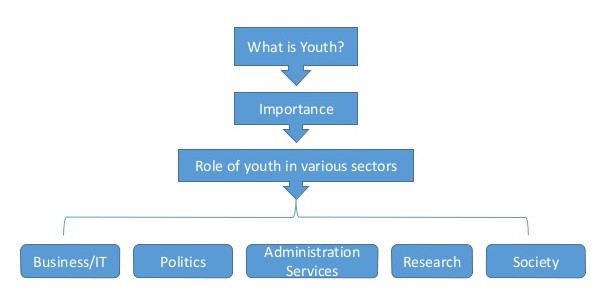
A youth is any person between the age of 15 years and 30 years regardless of the gender. Unfortunately, the youth are the backbone of a society and hence they determine the future of any given society. This is because all other age groups, the kids, teenagers, middle aged and the senior citizens rely on the youth and expect a lot from them. This makes the youth to be an important age group in both today’s society and the future society than other age groups.Therefore, due to the high dependence on youth in the society, we the youth have a role to play because the future of our families, communities and the country lies in our hands.
The role of the youth is simply to renew, refresh and maintain. Youth have a role to renew and refresh the current status of our society including leadership, innovations, skills etc. Youth are expected to advance the current technology, education, politics, peace of the country. On the other hand, youths have also to maintain the culture of our culture, all good values in the societies, development projects, etc.
IMPORTANCE OF YOUTHS.
Get startedOpen in app

Ahmed ShoaibJun 5, 2020·3 min read

A youth is any person between the age of 15 years and 30 years regardless of the gender. Unfortunately, the youth are the backbone of a society and hence they determine the future of any given society. This is because all other age groups, the kids, teenagers, middle aged and the senior citizens rely on the youth and expect a lot from them. This makes the youth to be an important age group in both today’s society and the future society than other age groups.Therefore, due to the high dependence on youth in the society, we the youth have a role to play because the future of our families, communities and the country lies in our hands.
The role of the youth is simply to renew, refresh and maintain. Youth have a role to renew and refresh the current status of our society including leadership, innovations, skills etc. Youth are expected to advance the current technology, education, politics, peace of the country. On the other hand, youths have also to maintain the culture of our culture, all good values in the societies, development projects, etc.
Importance of youth
Youth is the backbone of any nation. Youth can play an important role in the development of the society. Pakistan currently is the largest generation of young people ever recorded in its history as 64% of the total population was below the age of 30, and 29% between the ages of 15–30 years. This is the important segment of the society and youth can play a vital role in the development of the country. But this young and able workforce is not being given their chance to shine.
Unfortunately there is lack of opportunities, professional training institutes, awareness for youth in the country. Educated youth is unemployed, they are unable to participate in the country’s development because there is no quality education, and textbooks, policies, and curriculum differ across the country. There is no proper training institute in the country where student can get professional training for their careers.
Youth is now becoming a depressed segment of society, there are degrees but no jobs, there are universities but no professional education, there are schools but different education systems between elite and poor, there is a government but not a proper policy as to how they can solve these issues. Government should realize the situation and take quick measures to save the future of the nation. Otherwise situation may make the youth choose more destructive paths that will be detrimental to our society.
WHAT ARE THE RESPONSIBILITIES OF YOUTHS?
Youth has a very important role to play for society. For that we need to know why youth are so special. It is so because they are young, full of energy and educated with rationality as their ultimate belief. Now their role in society.






 KafumbaKamara.com